The House
Our Story
Objects with a story before they reach your home
The most beautiful objects are often the ones we no longer notice.
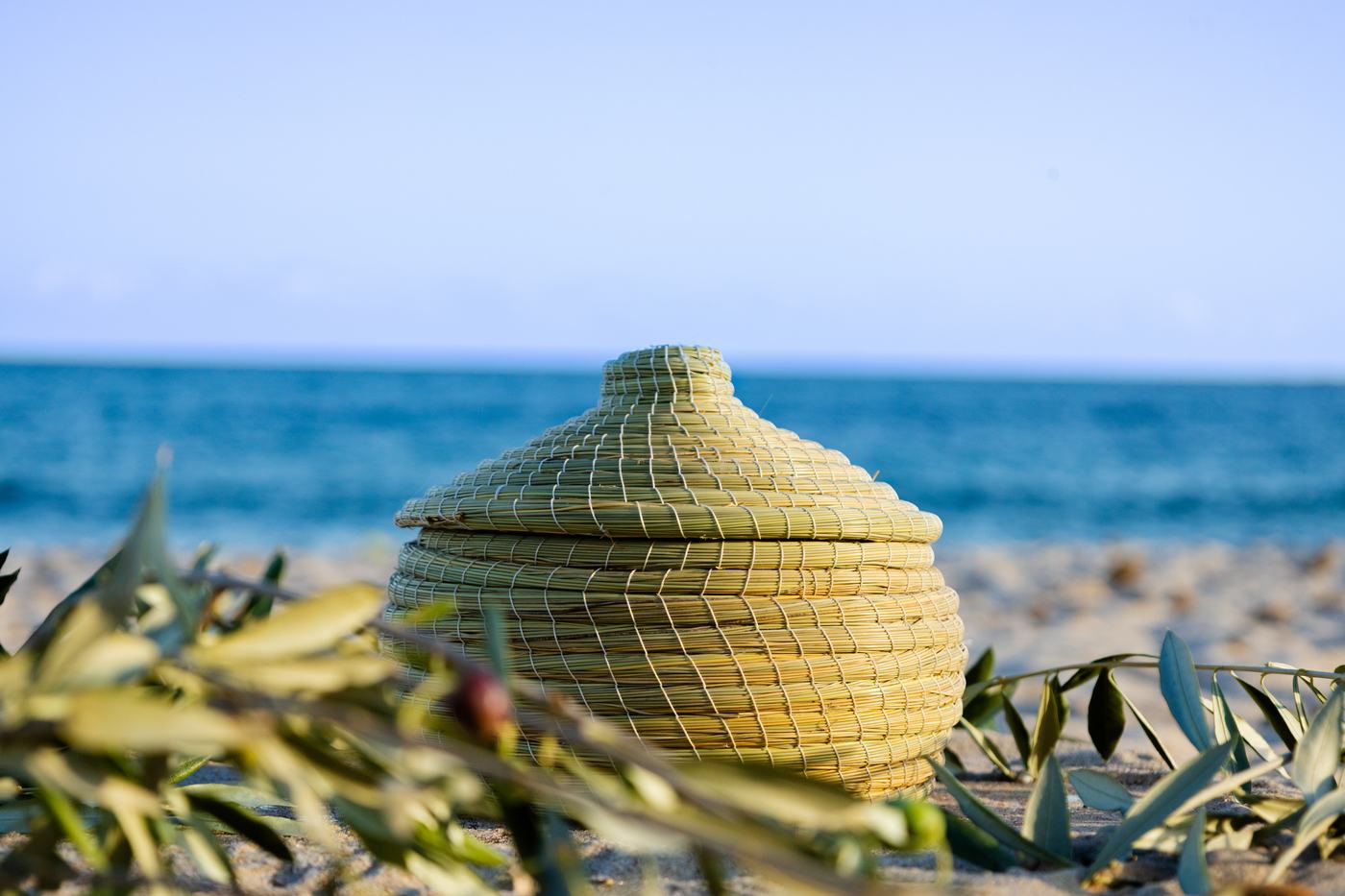
The basket by the door. The board on the worktop. The bowl on the shelf. Lightly marked by use. A little worn. Not damaged enough to throw away. Too useful to put away.
They were already there in your mother’s house. Now they are in yours.
A thousand uses. A thousand gestures. Always the same.
Impossible to remember exactly when they arrived. Like the smell of coffee on a Sunday. Like the light of late afternoon. Like a comfortable silence.
“These objects are not noticed. They simply live here.”
A home that is lived in never looks like a magazine photograph.
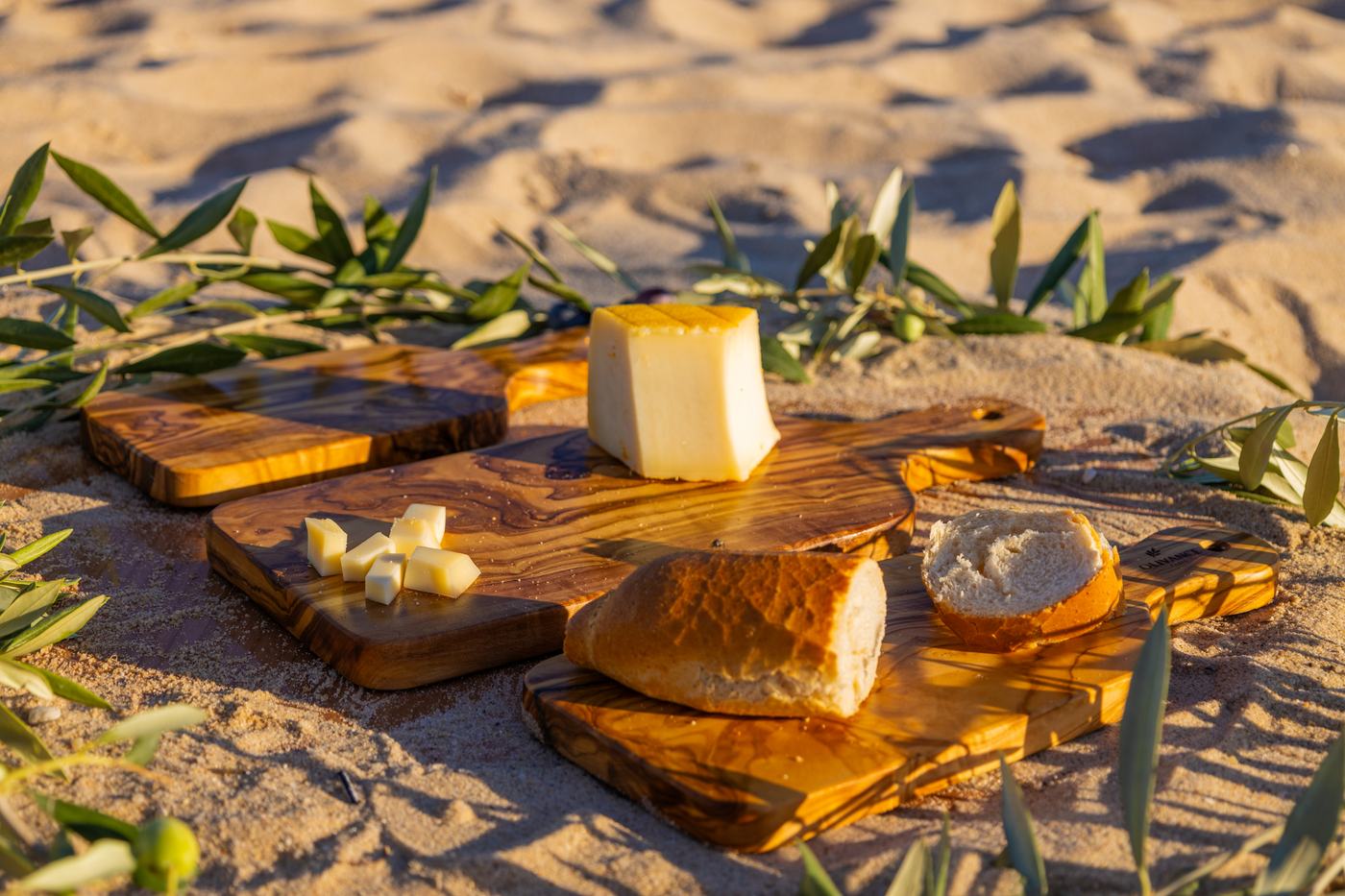
There is always something drying somewhere. Traces of use. A drop of oil. A few crumbs. Life, quite simply.
Things are in their place without being tidied away. There is always coffee. Books pile up. The clutter is alive.
They are not decorated. They are lived in.
Real tables are easy to recognise, too. The ones where we linger. Where children draw while the meal is being made. Where nobody looks at the time.
Some objects are different. Not necessarily expensive. Not necessarily spectacular. Simply sturdier. More beautiful. More pleasant to hold. The ones we reach for first.
“Kitchens where people really cook. Tables where people really eat. Objects that are really used.”
Why this House exists
Because these objects had become hard to find.
The real ones. The ones that last. The ones we pass on.
Homes slowly filled up. Brightly coloured plastic. Things that break. Materials that wear badly. Cheap things replaced every couple of years without a second thought.
Practical, perhaps.
But something was lost.
The gesture. The weight. The texture. The permanence. That reassuring feeling of holding something solid. Of knowing it will still be there in ten years. In twenty. That it will see the children grow up.
Each time a lasting object replaces a disposable one, something changes. Ever so slightly. An artisan can carry on their craft. A skill is passed on.
OLIVANCE makes these objects.
Slowly. With living materials. Shaped by artisans who know their craft. Designed to last for decades. To develop a patina that tells a story.
“Not precious things kept in a cupboard. Everyday things used without a second thought.”
Curated in Paris. Crafted around the Mediterranean.
Paris is where it all comes together. It is where we choose, design and insist: every piece is selected, compared, sometimes turned down, before it joins the collection.
The gestures come from elsewhere. From wherever each material is worked best.
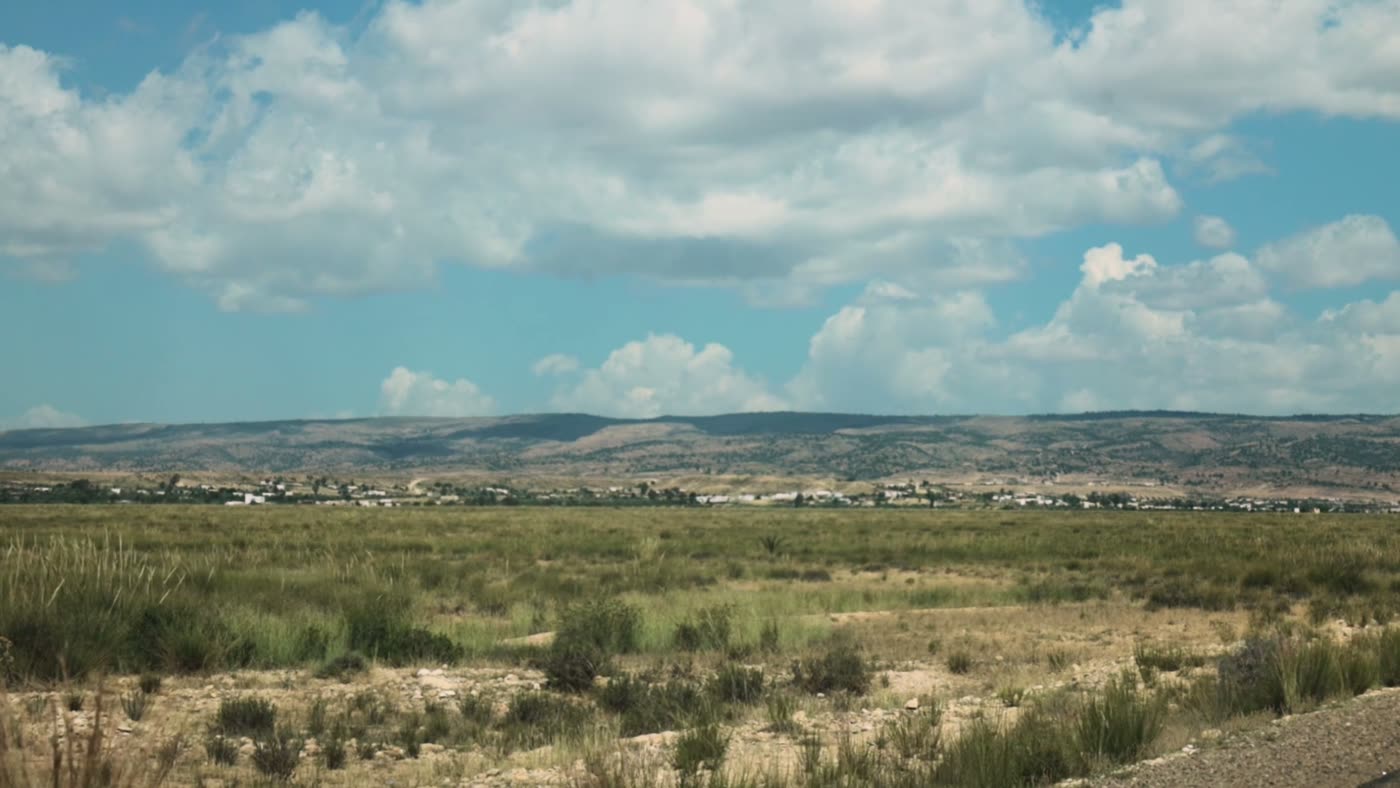
Today our olive wood and alfa come from Tunisia: workshops where these crafts are handed down from generation to generation.
Tomorrow, other shores. Other materials. The same eye.
“A land, a pair of hands, and a Parisian house that brings them together.”
Gestures that endure
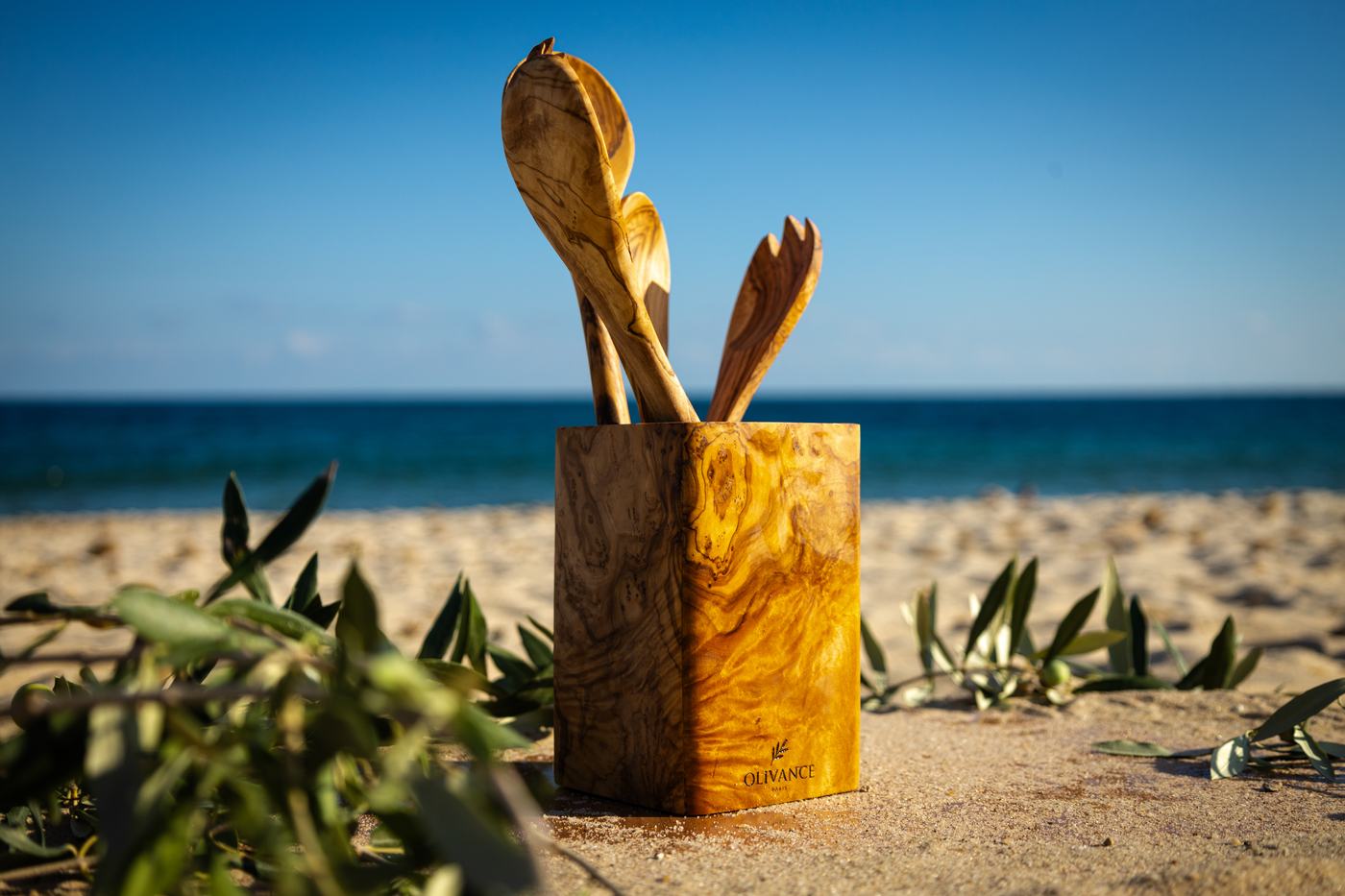
That big wooden spoon. Too big to be practical. Too battered to be beautiful. Impossible to cook without it.
The basket that always goes to market. The bowl the children eat their cereal from. The board that cuts everything.
Today there are others. Not the same ones. And yet the same.
Some gestures pass down the generations. Without thinking, we slice tomatoes the way we were shown. We make coffee the way our father did. We set the bread in the same spot on the table.
“These rituals are not learnt. They are handed down. Like objects. Like recipes scribbled on a scrap of paper. Like the smell of warm bread. Like the comfortable silence of a Sunday afternoon.”
Ten years from now
The house will look much as it does today.
With a few more objects. A few less. Some inherited. Others passed on. Others simply kept because they work.
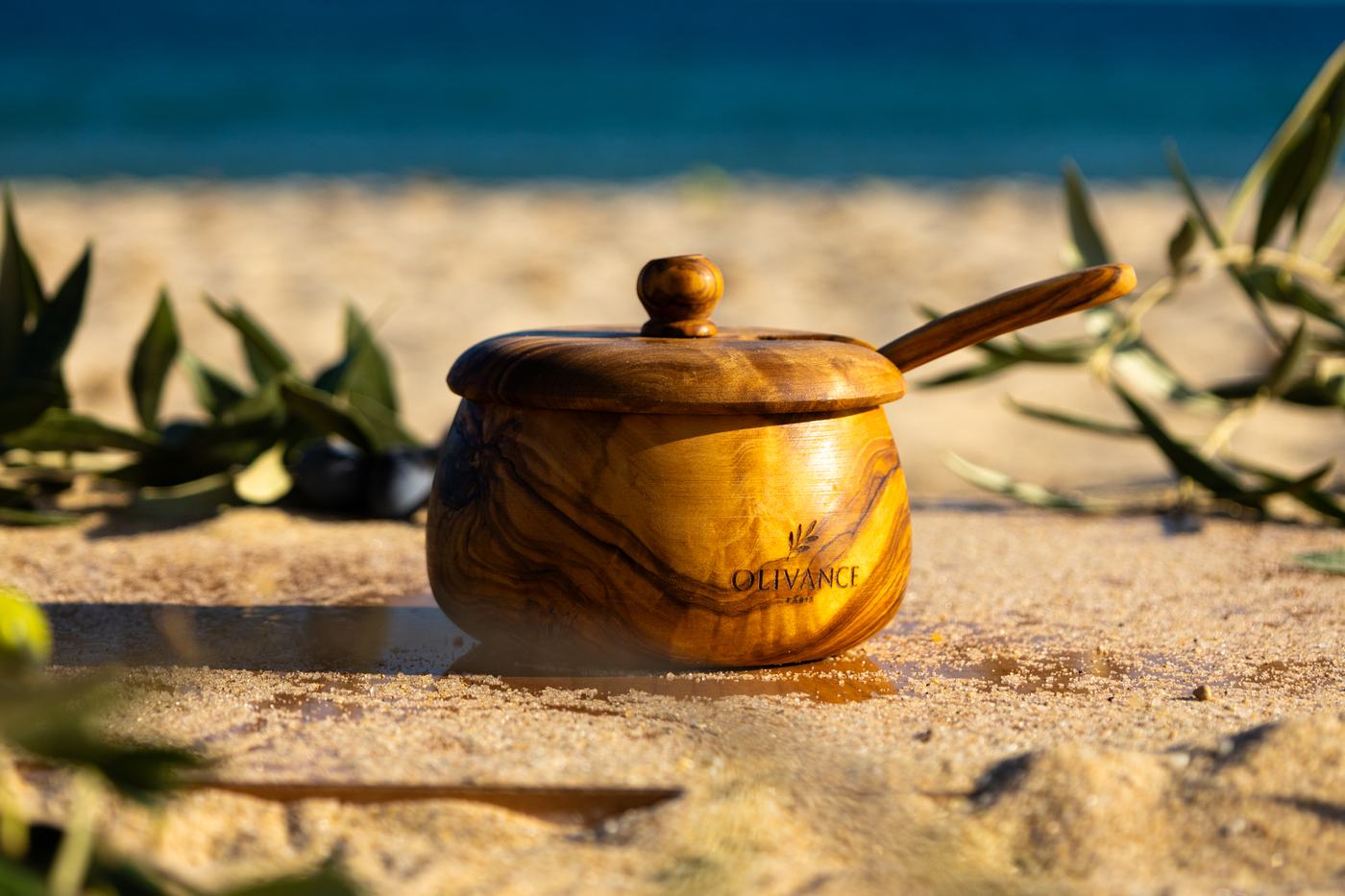
That object used every day may well be an OLIVANCE piece. Gently patinated. Marked by use. Too practical to put away. Too beautiful to hide.
The children will know it.
It will be one of those familiar things we always come back to. That we reach for without thinking. That we prefer to all the others without quite knowing why.